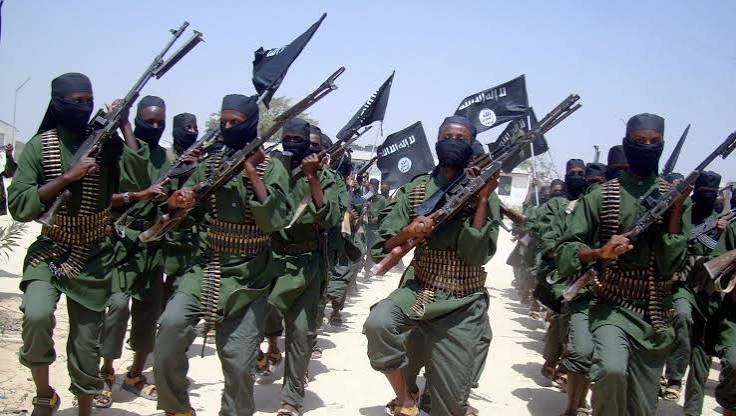

A military strike is a sudden military attack.
It usually targets a specific military objective.
Aircraft, missiles, drones, or other weapons can conduct strikes.
The term does not describe one specific type of attack.
A strike can serve different military purposes.
It may damage weapons, infrastructure, bases, or command centers.
Some strikes also target military personnel or equipment.
The stated objective depends on the operation and conflict.
Military Strike vs. Military Offensive
These terms are not always interchangeable.
- A strike usually describes a specific attack.
- An airstrike specifically involves aircraft or aerial weapons.
- A missile strike uses missiles against selected targets.
- An offensive can involve many operations over longer periods.
This distinction matters when reading breaking conflict reports.
Why Do Militaries Conduct Strikes?
Military strikes can have tactical or strategic objectives.
A force may seek to weaken an opponent quickly.
It may also disrupt supplies or military communications.
Commonly stated objectives include:
- Destroying military equipment or facilities.
- Disrupting command and communication systems.
- Limiting an opponent’s operational capability.
- Responding to an earlier attack.
- Supporting wider military operations.
However, a government’s stated purpose does not automatically prove legality.
The circumstances must still be examined independently.
How a Military Strike Can Be Carried Out
Modern strikes can involve several delivery systems.
The method depends on distance, terrain, intelligence, and military planning.
Airstrikes
Aircraft can deliver bombs or other weapons.
Airstrikes can reach targets far from frontline positions.
Their accuracy depends on weapons and targeting information.
Missile Strikes
Missiles can attack targets from considerable distances.
They can be launched from aircraft, ships, submarines, or ground systems.
Different missiles have different ranges and guidance systems.
Drone Strikes
Drones can provide surveillance and weapons delivery.
Some systems can remain above an area for extended periods.
Their use has increased debate about targeting and civilian protection.
When Is a Military Strike Lawful?
International humanitarian law sets important limits.
It applies during international and non-international armed conflicts.
The rules focus strongly on protecting civilians.
Three ideas are especially important.
Distinction
Military forces must distinguish targets from civilians.
Civilian people and objects receive protection from attack.
Attacks must focus on legitimate military objectives.
Proportionality
Expected civilian harm also matters.
An attack cannot cause excessive civilian harm.
The comparison involves the anticipated military advantage.
Precautions
Attackers must take feasible precautions.
These measures should reduce civilian deaths and injuries.
They should also minimize damage to civilian objects.
These principles make the circumstances of each strike important.
A casualty does not automatically establish a war crime.
The target, expected harm, precautions, and available information matter.
Why Civilian Casualties Become a Major Issue
Military strikes can occur near populated areas.
That creates serious risks for civilians and infrastructure.
Buildings may contain both civilians and military personnel.
Hospitals, homes, schools, and religious sites can face danger.
Investigators therefore examine the target and surrounding circumstances.
A recent example shows why verification matters.
The Associated Press reported a Myanmar military airstrike on August 21, 2026.
It said the attack struck a Buddhist monastery in Sagaing.
Local sources reported 14 deaths and 20 injuries.
The report also noted competing narratives.
Myanmar’s military has previously said it targets legitimate military objectives.
That illustrates why independent verification remains important.
How Journalists Should Verify a Military Strike
Breaking strike reports often contain incomplete information.
Early casualty figures can change after investigations.
A stronger reporting process checks several sources.
- Official military statements.
- Government or local authority statements.
- Independent journalists at the location.
- Satellite imagery when available.
- Hospital or emergency-service information.
- Human rights investigations.
- United Nations documentation.
Reports should clearly separate confirmed facts from allegations.
Unknown details should remain identified as unconfirmed.
A Different Way to Understand Military Strikes
A military strike is more than an explosion.
It can also become a political signal.
A limited strike may communicate deterrence.
A larger attack can signal escalation.
The location can carry diplomatic meaning.
The timing can influence negotiations or regional tensions.
This creates an important distinction between tactical success and strategic success.
Destroying a target may achieve an immediate military goal.
It may still produce wider political consequences.
Those consequences can include retaliation, escalation, or diplomatic pressure.
What Makes Strike Reporting Reliable?
Good reporting avoids treating one claim as established fact.
It identifies who made each important claim.
For example, journalists should distinguish between:
Confirmed: Evidence independently supports the event.
Claimed: A government or group says it happened.
Unverified: Evidence remains insufficient for confirmation.
This approach reduces misinformation during fast-moving conflicts.
Key Facts About Military Strikes
| Fact | Explanation |
|---|---|
| Meaning | A sudden, focused military attack |
| Common methods | Aircraft, missiles, drones, and other weapons |
| Typical targets | Military personnel, equipment, or infrastructure |
| Main legal concerns | Distinction, proportionality, and precautions |
| Civilian protection | A central principle of international humanitarian law |
| Verification | Requires reliable and independent evidence |
| Strategic effect | Can influence military and political conditions |
Final Thoughts
A military strike should never be understood from one headline.
Its purpose, target, method, and consequences all matter.
Legal questions require even closer examination.
The most reliable approach separates facts from allegations.
It also recognizes uncertainty when evidence remains incomplete.
That standard is especially important during active conflicts.
For readers, the key question is simple: What is actually verified?
That question often reveals more than the headline itself.
Read more:Todd Blanche: The Lawyer Behind America’s Top Legal Job